

Years ago I started paying closer attention to what was in the products I used every day.
At the time I was sharing my journey online as I slowly detoxed our home – switching cleaning products, reading beauty labels and becoming more curious about the ingredients we were exposing our bodies to without really thinking about it.
The deeper I looked, the more I realised how little most of us are taught about the chemicals in everyday products.
Modern life exposes us to hundreds of synthetic compounds through food, packaging, pollution and personal care products.
Our bodies are incredibly resilient, but researchers are increasingly exploring the concept of toxic load – the cumulative burden created by repeated exposure to many small chemical inputs over time.
In regards to beauty products, they are researching how the cumulative exposure to chemicals in skincare, cosmetics and personal care products used every day effects our health.
From moisturisers and deodorants to makeup and skincare, these products may contain dozens of ingredients designed to stabilise, preserve or fragrance the formula. Used over many years, they can quietly add to our body’s overall toxic load.
Below I explore what this means, how to recognise greenwashing in the beauty industry, and some simple ways to begin reducing exposure without feeling overwhelmed.
Understanding Toxic Load From Beauty Products
Toxic load refers to the total number of chemicals the body is exposed to over time. These exposures don’t come from just one source. They accumulate through:
- food and pesticides
- air pollution
- plastics and packaging
- household cleaning products
- everyday beauty and personal care products
Individually, many of these exposures are considered low risk. But researchers are increasingly interested in the concept of cumulative exposure.
Our bodies are designed to detoxify through the liver, kidneys, skin and lymphatic system. However, constant exposure to synthetic compounds may increase the body’s overall toxic burden, particularly when exposures occur daily for many years.
One of the most overlooked contributors to toxic load is the products we apply directly to our skin.
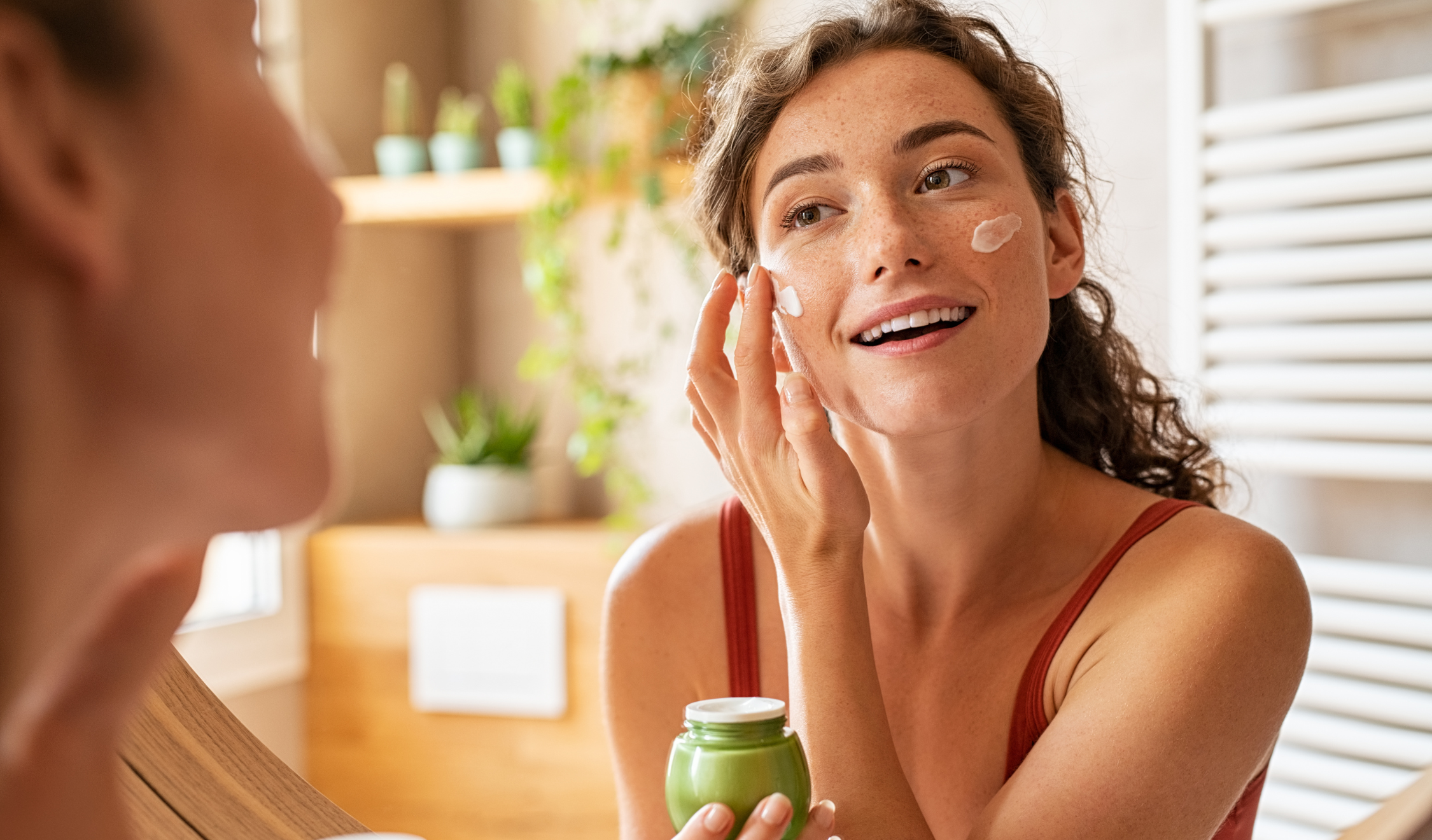
How Beauty Products Add To Your Toxic Load
Do you realise how many ingredients you encounter through the personal care products you use?
Research from the Environmental Working Group (EWG) estimates the average woman uses around 12 personal care products a day, exposing her to over 150 chemical ingredients.
These may include:
- preservatives
- fragrance compounds
- emulsifiers
- synthetic colours
- petroleum-derived ingredients
- stabilising chemicals
Because the skin is the body’s largest organ, certain compounds can be absorbed through the skin barrier and enter circulation.
Biomonitoring studies have detected common cosmetic ingredients such as parabens and phthalates in human urine, blood and breast tissue samples, suggesting regular exposure through consumer products.
This doesn’t mean that using a product once will harm you. But when dozens of products are used daily, they may contribute to the body’s overall toxic load from beauty products.
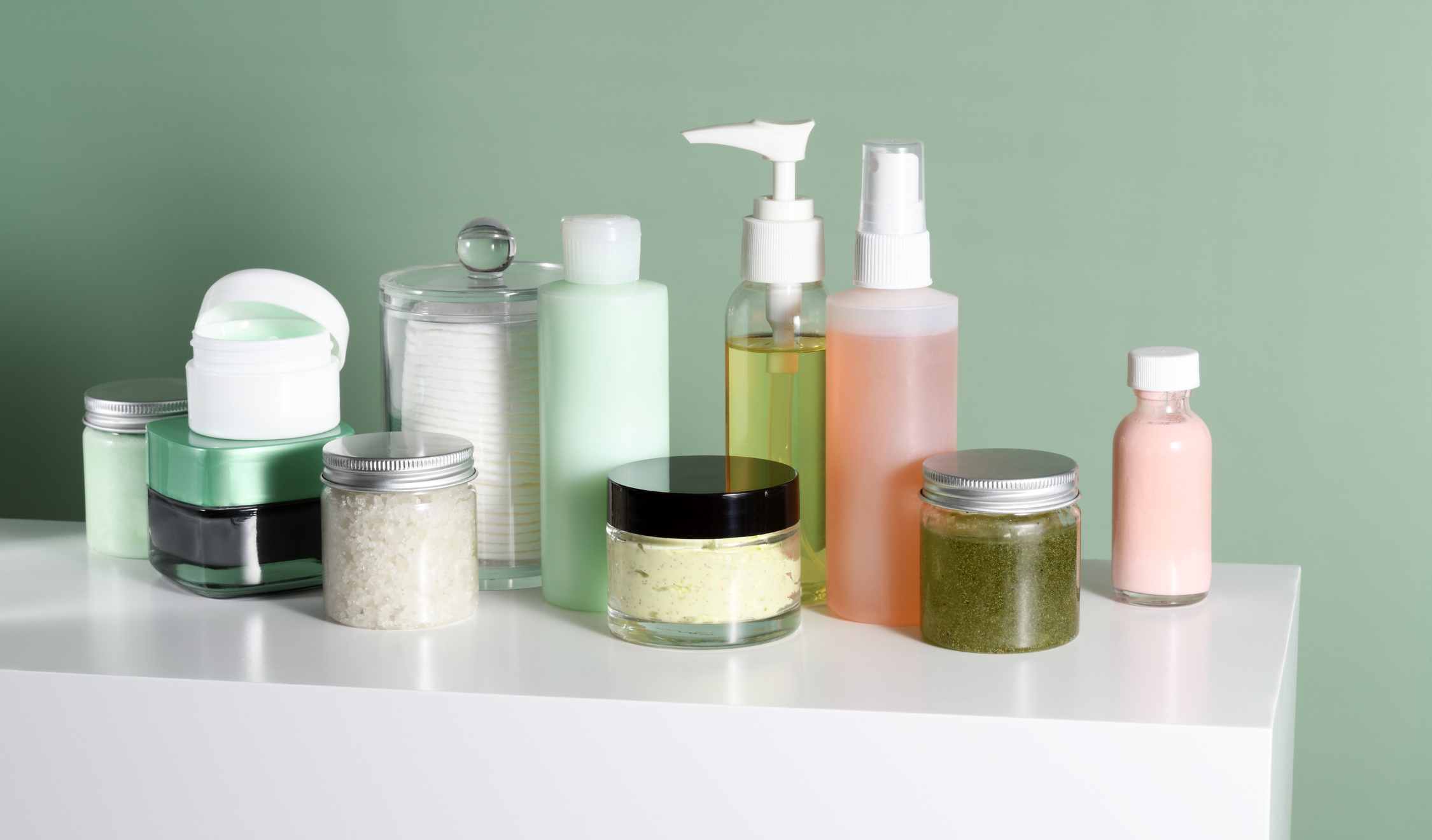
Endocrine Disruptors in Cosmetics
One area researchers are particularly interested in is endocrine disrupting chemicals (EDCs). These are compounds that may interfere with hormone signalling in your body.
Hormones regulate many essential processes including:
- metabolism
- reproductive health
- mood and brain function
- immune regulation
- energy balance
Certain cosmetic ingredients have been studied for potential endocrine effects, including:
Parabens
Parabens are widely used preservatives that prevent microbial growth in cosmetics.
Research suggests some parabens may mimic weak estrogen activity in the body, which has led scientists to investigate possible links to hormonal disruption.
Phthalates
Phthalates are often used to stabilise fragrance in cosmetics and personal care products.
They are rarely listed directly on labels because they may be hidden under the ingredient term “fragrance” or “parfum.”
Studies have associated phthalate exposure with hormonal disruption and reproductive effects in both human and animal research.
Triclosan
Previously common in antibacterial soaps and toothpaste, triclosan has been studied for potential effects on thyroid hormone regulation and environmental health.
Growing concern around endocrine disruption has led many brands to remove triclosan from products.
While the science continues to evolve, many health professionals recommend reducing unnecessary exposure to endocrine disrupting chemicals where possible.

Why Cosmetic Regulation Can Be Confusing
We assume cosmetic products must undergo strict safety testing before being sold but in fact cosmetic regulation differs significantly from pharmaceutical regulation.
For example, The European Union restricts more than 1,300 cosmetic ingredients yet The United States bans fewer than 15 cosmetic ingredients.
Australia regulates industrial chemicals through the Australian Industrial Chemicals Introduction Scheme (AICIS), yet many ingredients remain permitted unless clear evidence of harm emerges.
Understanding this regulatory gap was one of the things that prompted me to start reading labels more carefully – something we should all do as a habit now we have better awareness around clean beauty and ingredient transparency.
Greenwashing in the Beauty Industry
Another challenge when looking to reduce toxic load is greenwashing. Many products use marketing terms such as:
- natural
- clean
- botanical
- eco-friendly
These words can make products appear safer, yet they often have no strict legal definition in cosmetics marketing.
A product may highlight plant-based ingredients while still containing:
- synthetic preservatives
- artificial fragrances
- petroleum derivatives
- stabilisers and fillers
This is why many advocates of low-toxic living recommend reading ingredient lists rather than relying on front-label claims.
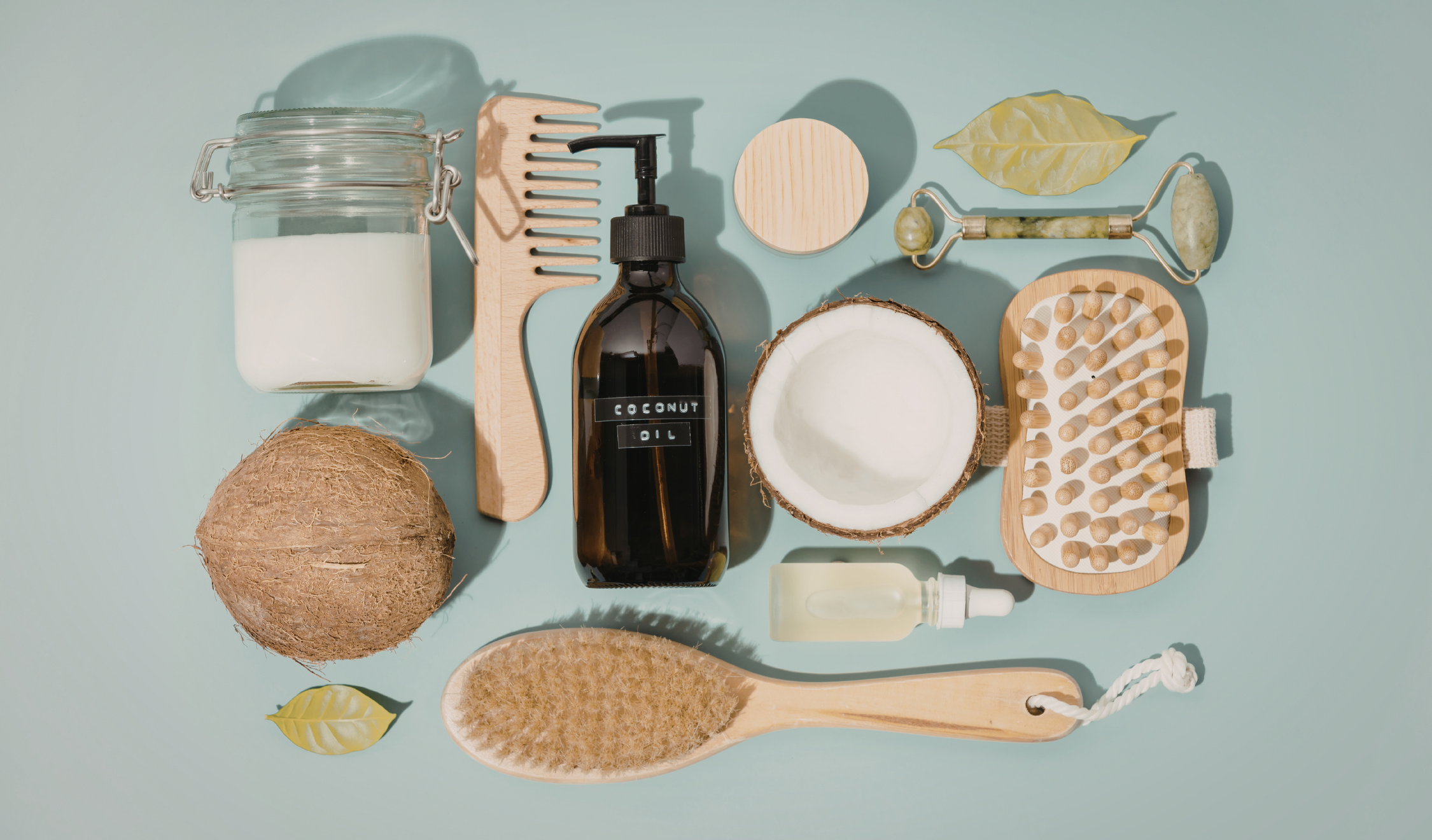
How to Reduce Toxic Load From Beauty Products
The goal is not to replace everything overnight. Instead, start with the products you use most frequently.
These often include:
- deodorant
- moisturiser
- body lotion
- sunscreen
- daily skincare products
Because these are the products we use every day and they cover larger areas of skin, they contribute more significantly to cumulative chemical exposure.
Other simple steps include:
• avoiding products containing “fragrance” or “parfum”
• choosing brands that provide full ingredient transparency
• selecting simpler formulations with fewer ingredients
Small changes made gradually can significantly reduce your overall exposure.
Awareness, Not Perfection
Living a lower-toxic lifestyle isn’t about fear or perfection. Modern life exposes us to many environmental chemicals we cannot completely avoid.
But becoming aware of toxic load from beauty products allows us to make more conscious choices where we do have control.
Often, once you start learning about ingredients and exposures, the changes happen naturally.
Once you know, it’s hard to unknow – and from that awareness, healthier habits begin to follow.
Sometimes the smallest changes – becoming more aware of what we put on our bodies, what surrounds us, and how we care for ourselves – can quietly transform our health over time.
If you’d like to keep learning about simple ways to support your body and reduce everyday stressors:
🌿 Follow me on Instagram where I share practical insights on holistic health, nervous system regulation and mindful living.
🌿 Join my Calm Mind & Body Reset Hub on Facebook where women support each other in making small, meaningful changes to their health and wellbeing.
🌿 Or if you’re feeling overwhelmed with your health and would like personalised support, you can book a free 15-minute clarity call to explore how we can work together. Book the call HERE.
Share
Related Posts

The Power of Connection: How Nature, Mindfulness and Community Support Mental Wellbeing